The web design landscape in 2025 is evolving faster than ever. What once felt futuristic—AI-driven layouts, adaptive user journeys, and built-in security—has now become essential for staying relevant online. Your website is no longer just a digital presence; it’s your brand’s first impression, sales engine, and trust builder all in one.
As technologies advance and user expectations rise, businesses must rethink how their websites look, feel, and perform. From AI-powered creativity to responsive, mobile-first experiences and security-first frameworks, the next generation of web design blends innovation with intelligence.
In this blog, we’ll explore the key tech trends shaping modern web design in 2025—and how you can leverage them to create faster, safer, and more engaging digital experiences that truly stand out.
Why Staying Ahead of Tech Trends Matters
In the fast-changing digital world, your website isn’t just an online brochure—it’s a living, evolving product. Staying updated with the latest web design technologies and trends is no longer optional; it’s the key to staying competitive, visible, and relevant in 2025.
When businesses fall behind on design and technology, they risk losing both users and search visibility. Outdated websites load slower, perform poorly on mobile, and fail to deliver the seamless experience today’s users expect. Search engines now prioritize websites that are fast, responsive, and user-focused—making modern web design a direct factor in SEO success.
Embracing new tech trends means creating a website that’s:
- Smarter – powered by AI and data-driven personalization.
- Faster – optimized for speed, performance, and mobile devices
- Safer – built on strong, security-first frameworks users trust.
Simply put, future-ready web design helps you attract more visitors, engage them effectively, and convert them faster. By staying ahead of trends, your brand doesn’t just keep up with the web—it leads itself.
Trend #1: AI-Powered Web Design – Smart, Fast, and Personalized
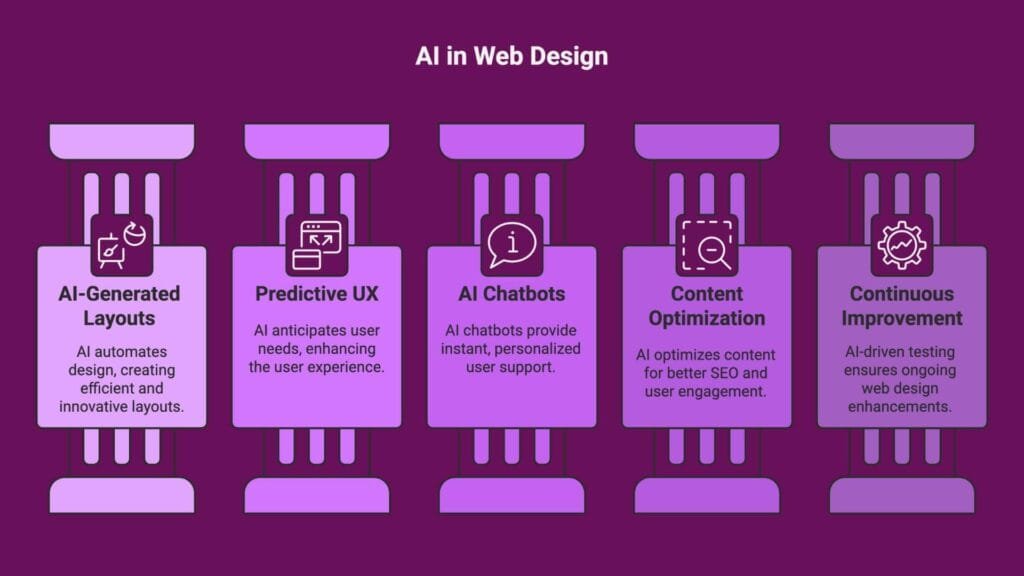
Artificial Intelligence is changing how websites are imagined, designed, and delivered. In 2025, AI isn’t just a supporting tool—it’s the driving force behind smarter, faster, and more personalized web experiences.
Here’s how AI is transforming web design:
1. AI-Generated Layouts and Design Automation
- Tools like Framer AI, Figma AI, and Uizard can now generate complete design layouts in seconds.
- Designers can instantly create page structures, color palettes, and visual elements based on brand preferences.
- This reduces design time and ensures more consistency across pages and platforms.
2. Predictive UX (User Experience)
- AI analyzes how users behave on a website and predicts what they’ll do next.
- This enables dynamic personalization — showing different layouts, calls-to-action, or content based on user intent.
- Result: More engagement, longer session times, and higher conversions.
3. AI Chatbots and Conversational Interfaces
- Modern chatbots powered by tools like ChatGPT or Dialogflow help users find answers instantly.
- They enhance customer support, boost lead generation, and improve overall UX.
- When integrated smartly, they feel like part of the website—not just an add-on.
4. Content and SEO Optimization with AI
- AI tools now generate headlines, blog outlines, and product descriptions tailored to your audience.
- They can analyze SEO keywords, readability, and user intent in real time—helping your site rank better.
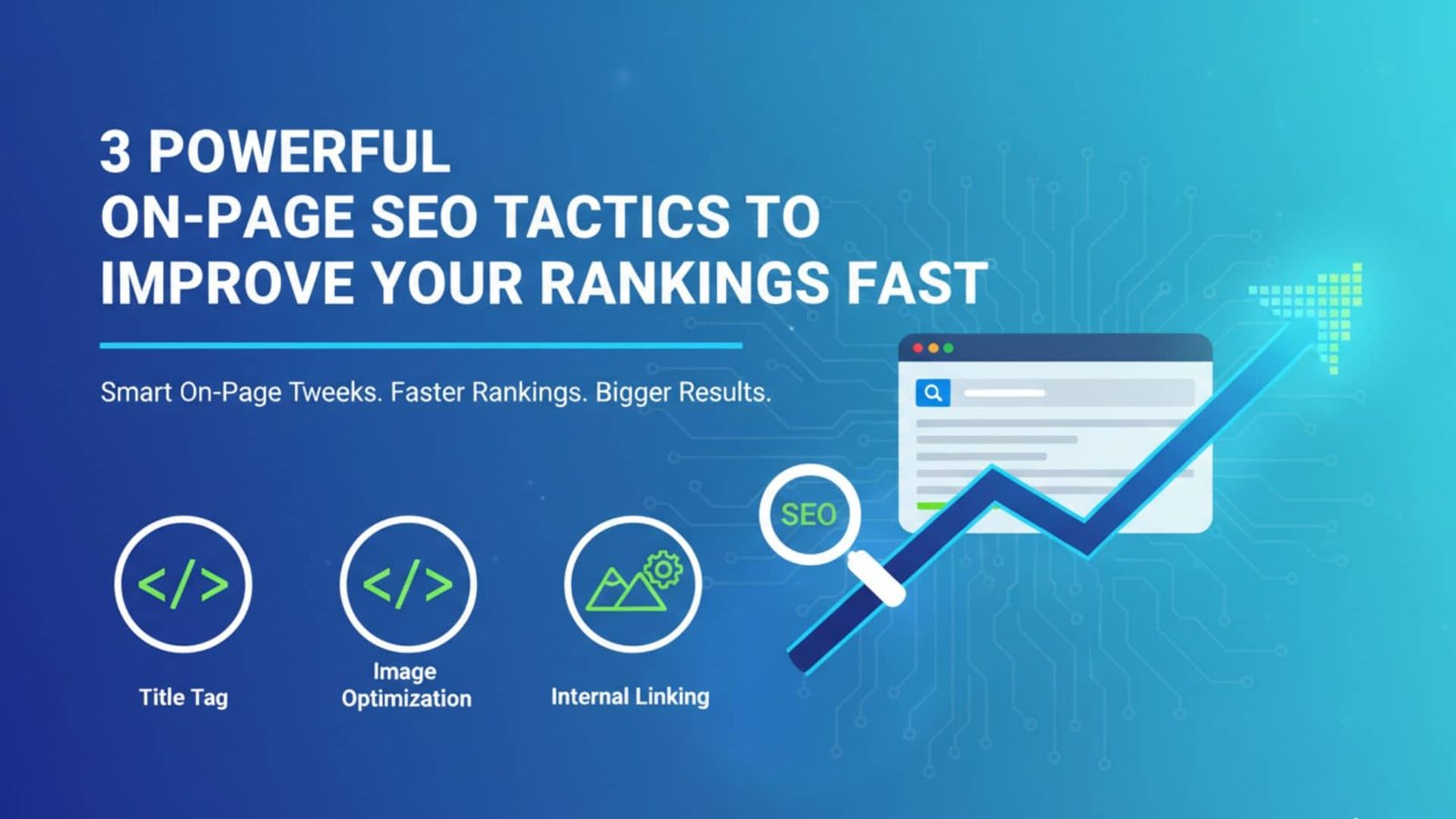
For more actionable techniques, check our blog on 3 Powerful On-Page SEO Tactics.
5. AI-Powered Testing and Continuous Improvement
- AI automatically tests color contrasts, button placements, and navigation paths.
- It learns from user interactions and refines the design for better performance.
6. The Infometrix Edge: Human Creativity + AI Intelligence
At Infometrix Technologies, we leverage AI to accelerate workflows and create intelligent, data-backed designs. Our approach blends human creativity with AI precision—helping businesses build websites that adapt, learn, and grow with their users.
Trend #2: Responsive & Adaptive Design – One Experience, Every Device
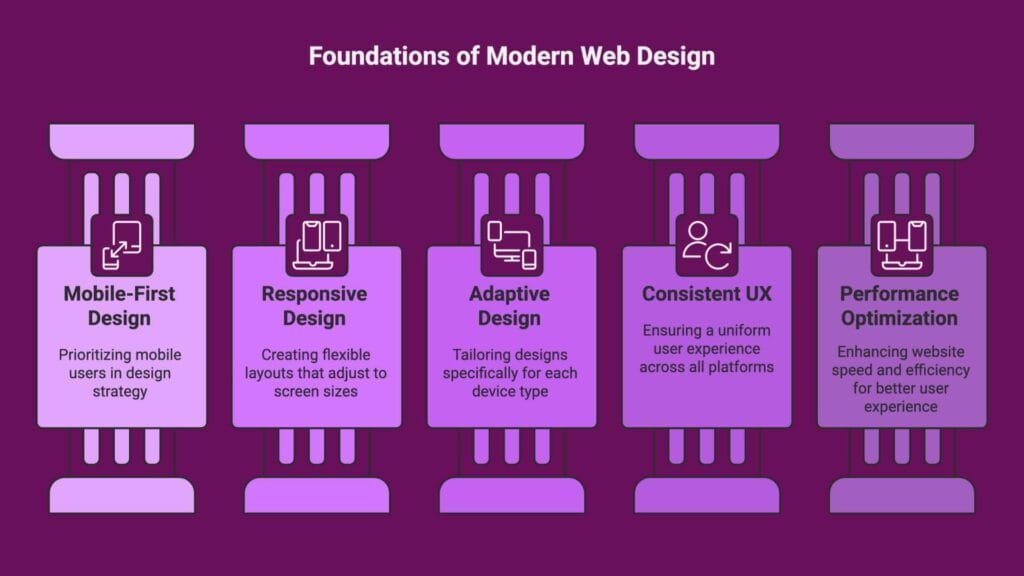
In 2025, users expect a seamless digital experience no matter what device they’re on — mobile, tablet, laptop, or smartwatch. That’s where responsive and adaptive design come in. These design approaches ensure that your website not only looks great but functions perfectly across every screen size.
Here’s how this trend continues to shape modern web design:
1. Mobile-First Design is the New Default
- With over 70% of web traffic now coming from mobile devices, designing for mobile first is non-negotiable.
- Websites built for smaller screens load faster and provide smoother navigation.
- Google’s mobile-first indexing means a mobile-optimized website directly improves your search rankings.
2. Responsive Design – One Layout That Flexes
- Responsive design uses fluid grids and flexible elements that automatically adjust to any screen size.
- It ensures your site looks consistent whether opened on a desktop, tablet, or smartphone.
- Faster load times, cleaner code, and better accessibility are key SEO benefits.
3. Adaptive Design – Tailored for Every Device
- Adaptive design goes beyond flexibility — it delivers custom layouts for different devices.
- It detects screen resolution and loads pre-defined templates for optimal performance.
- Ideal for brands that want more control over user experience on each device type.
4. Consistent UX Across All Platforms
- Consistency builds trust. A visitor switching from desktop to mobile should feel no friction.
- Smooth transitions, uniform visuals, and intuitive navigation improve engagement and reduce bounce rates.
- This harmony between devices creates a unified brand experience.
5. Performance Optimization Matters
- Responsive and adaptive designs improve site speed, Core Web Vitals, and SEO ranking.
- Compressing images, optimizing scripts, and using lazy loading make sites faster on every device.
- The faster your website loads, the longer users stay.
6. The Infometrix Approach: Seamless Design, Every Screen
At Infometrix Technologies, we craft websites with a responsive-first mindset—ensuring flawless performance, accessibility, and engagement across all devices. Our design philosophy focuses on user experience continuity, making sure your website looks and feels perfect, wherever it’s viewed.
Trend #3: Security-First Design – Building Trust by Default
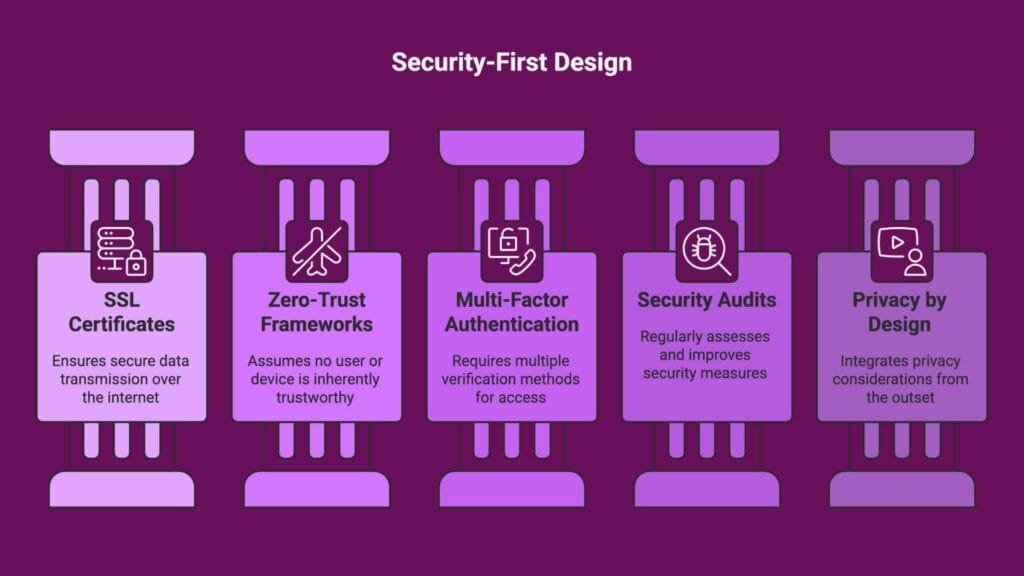
In 2025, web security is no longer just an IT concern—it’s a core design priority. As cyber threats evolve and data privacy expectations grow, users now judge a website’s credibility by how secure it feels. A visually stunning website won’t matter if it’s not safe to browse or share information on.
Here’s how security-first design is reshaping modern web development:
1. SSL Certificates and HTTPS as the Baseline
- A secure connection (HTTPS) is now a must-have, not a nice-to-have.
- SSL certificates encrypt user data, ensuring safe information transfer between users and your server.
- Google also boosts rankings for HTTPS-enabled websites, making it an SEO win too.
2. Zero-Trust Frameworks in Design
- The zero-trust model assumes no user or system is inherently safe.
- Websites built on this framework verify every access request, reducing the risk of breaches.
- This principle is becoming a foundation of secure web architecture in 2025.
3. Multi-Factor and Biometric Authentication
- Adding two-factor authentication (2FA) or biometric logins (fingerprint or facial recognition) enhances user safety.
- These methods protect sensitive data, especially in eCommerce or membership-based sites.
- Security features like these also increase user trust and retention.
4. Regular Security Audits and Code Reviews
- Continuous monitoring and vulnerability testing are key to identifying risks before hackers do.
- Automated tools now scan for weak plugins, outdated libraries, or unprotected APIs.
- This proactive approach ensures your site remains secure as new threats emerge.
5. Privacy by Design and Transparent Data Practices
- With global data protection laws like GDPR and CCPA, users expect transparency.
- Designing with privacy in mind—like cookie consent, clear policies, and secure data storage—builds credibility.
- A trustworthy website turns visitors into long-term customers.
6. The Infometrix Advantage: Security Meets Design
At Infometrix Technologies, we believe great design and strong security go hand in hand. Our security-first web design approach ensures your website isn’t just fast and beautiful—but also protected, compliant, and trustworthy from the ground up.
Bonus Trends Worth Watching
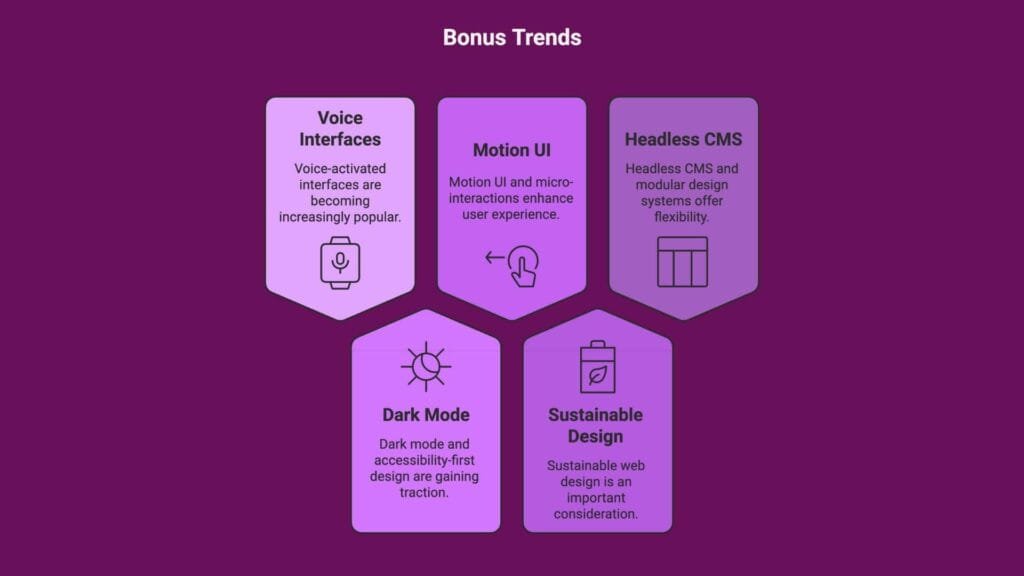
Beyond AI, responsiveness, and security, several emerging web design trends are redefining how users interact with digital experiences. These trends may not be mainstream yet—but they’re shaping the future of web design in 2025 and beyond.
Here are a few worth keeping an eye on:
1. Voice-Activated Interfaces
- With the rise of voice assistants like Alexa, Siri, and Google Assistant, voice-driven web navigation is becoming more common.
- Voice UI (VUI) enhances accessibility and offers a hands-free browsing experience.
- Ideal for eCommerce, booking platforms, and accessibility-focused websites.
2. Dark Mode & Accessibility-First Design
- Dark mode continues to dominate due to its sleek aesthetics and energy efficiency.
- Coupled with accessibility-focused design (high contrast, readable fonts, ARIA labels), it ensures inclusivity for all users.
- Accessibility compliance also supports SEO and user satisfaction.
3. Motion UI & Micro-Interactions
- Subtle animations, hover effects, and scroll-triggered transitions add depth and engagement.
- Motion UI helps guide users through a page intuitively without overwhelming them.
- Enhances storytelling and user delight—key elements of modern UX.
4. Sustainable Web Design
- As sustainability becomes a global priority, eco-friendly web design is gaining traction.
- Lightweight code, optimized images, and green hosting reduce a website’s carbon footprint.
- Sustainable sites are not only faster but also align with socially conscious brand values.
5. Headless CMS & Modular Design Systems
- Headless CMS platforms like Strapi or Contentful enable faster updates and omnichannel content delivery.
- Modular design systems improve scalability, consistency, and collaboration between design and development teams.
- These technologies make websites future-ready and easier to maintain.
6. The Infometrix Vision: Designing Beyond Trends
At Infometrix Technologies, we don’t just follow trends—we anticipate them. Our design philosophy blends innovation with performance, ensuring every website we build stays relevant, scalable, and user-centric well into the future.
How to Future-Proof Your Website
In a fast-changing digital landscape, a website built for today might not perform tomorrow. To stay relevant, secure, and high-performing, your site needs to evolve with technology, design standards, and user expectations. Here’s how to future-proof your website in 2025 and beyond:
1. Conduct Regular Website Audits
- Review your website’s speed, performance, and SEO health every few months.
- Identify outdated plugins, broken links, or slow-loading pages that impact user experience.
- Regular audits ensure your site stays optimized for both users and search engines.
2. Adopt a Modular and Scalable Design System
- Build your website using modular components that can be easily updated or replaced.
- This approach saves time when redesigning or adding new features.
- It keeps your site flexible and adaptable to future technologies and trends.
3. Integrate AI and Automation Tools
- Use AI-powered analytics to track visitor behavior and personalize experiences in real time.
- Automate routine tasks like content updates, chat support, or email triggers.
- AI helps your website learn, adapt, and perform smarter over time.
4. Stay Mobile-First and Performance-Driven
- Ensure your design remains responsive, adaptive, and lightweight across devices.
- Optimize images, scripts, and code for faster load times.
- A mobile-first approach improves user experience and SEO ranking simultaneously.
5. Prioritize Security and Data Privacy
- Keep your CMS, themes, and plugins updated regularly.
- Implement SSL certificates, firewalls, and real-time monitoring to protect user data.
- Design with privacy compliance (GDPR, CCPA) in mind to maintain trust and credibility.
6. Leverage Analytics and Continuous Improvement
- Monitor KPIs like bounce rate, conversions, and engagement time.
- Use insights to refine design, content, and performance continuously.
- Treat your website as a living digital product—not a one-time project.
7. The Infometrix Way: Future-Ready from Day One
At Infometrix Technologies, we future-proof websites through strategic planning, smart integrations, and performance-focused design. From AI tools to security-first frameworks, we ensure your website isn’t just built for now—it’s built for what’s next.
Conclusion – The Future Belongs to Adaptive, Secure, and Intelligent Design
The world of web design in 2025 is more dynamic than ever. Technology, creativity, and data are merging to create websites that think smarter, load faster, and connect deeper with users. Success now depends on how well your digital presence adapts, secures, and innovates.
Here’s what the future-ready web design formula looks like:
- AI for Intelligence: Smarter layouts, predictive UX, and automation that personalize every interaction.
- Responsive & Adaptive for Accessibility: Seamless performance across all screens and devices for consistent user experiences.
- Security for Trust: Data protection, privacy compliance, and transparency baked into every layer of design.
The takeaway is simple: modern web design is no longer about appearance—it’s about experience, performance, and trust.At Infometrix Technologies, we combine innovation, intelligence, and impact to design websites built for the next era of digital transformation. If you’re ready to make your brand stand out with a future-proof website, explore our Website Development services and let us build a site that’s adaptive, secure, and intelligent.